Which blood tests for fatigue to ask for
A 2023 American Family Physician review of fatigue in adults lists the tests doctors use to look for a medical cause: a complete blood count, ferritin and an iron panel, vitamin B12 and folate, TSH, A1C, a metabolic panel, and cortisol when adrenal problems are suspected. The same review warns that testing without a specific reason changes treatment in only about 5% of patients, so the list below starts with the markers most likely to matter.
| Marker | Why it matters | What a result suggests | On SiPhox |
|---|---|---|---|
| Hemoglobin and hematocrit | Anemia is the most common lab finding behind fatigue | Below 12.0 g/dL in non-pregnant women or 13.0 g/dL in men meets the WHO anemia cut-off; the cause still needs finding | Longevity, Heart & Metabolic, Ultimate 360, GLP; full CBC +$45 |
| Ferritin | Shows iron stores, which run out before hemoglobin falls | Low means depleted iron; ferritin also rises with inflammation, so a normal value does not always rule out low iron | Longevity, Thyroid Focus, Ultimate 360, GLP |
| Iron, TIBC, saturation | Confirms iron deficiency when ferritin is borderline | Low saturation with high TIBC fits iron deficiency | Ultimate 360, GLP |
| TSH and free T4 | Hypothyroidism causes tiredness, weight gain and feeling cold | High TSH with low free T4 points to an underactive thyroid | TSH: Longevity, Heart & Metabolic, Thyroid Focus, Ultimate 360, GLP. Free T4: Thyroid Focus, Ultimate 360, GLP |
| HbA1c | High blood sugar causes fatigue and thirst | 5.7% to 6.4% is prediabetes, 6.5% or more is the diabetes range (NIDDK) | Longevity, Heart & Metabolic, Ultimate 360, GLP |
| Vitamin B12 and folate | Deficiency causes anemia, tiredness and tingling | Low B12 is more likely with vegan diets, older age and long-term metformin | Ultimate 360, GLP |
| Vitamin D | Common low result; weak link to energy | Under 12 ng/mL risks deficiency; 20 ng/mL is enough for most people (National Academies) | Longevity, Ultimate 360, GLP |
| Creatinine and eGFR | Kidney disease causes fatigue and anemia | eGFR under 60 for 3 months or more is chronic kidney disease territory | Heart & Metabolic, Thyroid Focus, Ultimate 360, GLP |
| ALT and AST | Liver disease and hepatitis cause tiredness | Raised enzymes need a repeat and a cause | Heart & Metabolic, Thyroid Focus, Ultimate 360, GLP |
| Cortisol | Very low morning cortisol suggests adrenal insufficiency | A single home value is a screen only; diagnosis needs timed tests | Longevity, Heart & Metabolic, Thyroid Focus, Hormone Focus, Ultimate 360, GLP |
| hs-CRP | Flags inflammation, which also distorts ferritin | A high value alongside fatigue deserves a doctor visit | Longevity, Heart & Metabolic, Thyroid Focus, Ultimate 360, GLP |
| Testosterone (men) | Low energy is a non-specific symptom of low testosterone | Needs two morning tests before anyone calls it low | Longevity (men), Hormone Focus, Ultimate 360, GLP (men) |
| Electrolytes, glucose, calcium | Part of the standard metabolic panel | Low sodium or high calcium can cause fatigue | Not on SiPhox |
Two groups of tests are missing from any home kit: infection tests (HIV, hepatitis, Epstein-Barr virus) and celiac antibodies, which the same review lists when symptoms point that way, and a pregnancy test. Those go through your doctor.
What a fatigue blood test is looking for
Doctors split fatigue into three kinds. Physiologic fatigue comes from short sleep, overwork or poor diet and no blood test finds it. Secondary fatigue is caused by another condition, and this is where blood tests earn their place. Chronic fatigue, including ME/CFS, is diagnosed from symptoms using the 2015 National Academy of Medicine criteria; there is no blood test for it.
The secondary causes that labs can catch fall into five groups:
- Blood: anemia, iron deficiency, B12 or folate deficiency, and iron overload.
- Hormones: hypothyroidism, diabetes and, rarely, adrenal insufficiency. Our hypothyroidism blood test guide covers the thyroid side in depth.
- Organs: kidney and liver disease, which a comprehensive metabolic panel screens.
- Inflammation: rheumatologic conditions, where CRP and ESR are the first clues.
- Infection: hepatitis, HIV, mononucleosis, Lyme disease and COVID-19.
The non-blood causes are just as common: sleep apnea, depression, anxiety and medicines. That is why a good doctor asks about snoring, mood and new prescriptions before ordering anything.
How often blood tests find the cause of fatigue
Source: Latimer et al., American Family Physician 2023, citing primary care studies.
The honest number is low. In one study cited by the AAFP review, 27% of people who saw a primary care doctor for fatigue were diagnosed with a condition that explained it, most often anemia, B12 deficiency, infection, pregnancy or a psychiatric diagnosis. Another found only 8% had a clear condition-based diagnosis a year later. That does not make testing pointless: anemia, iron deficiency, thyroid disease and diabetes are all easy to treat once found. It means the value is in a short, well-chosen list rather than 100 random markers.
Worked example: a 34-year-old with three months of tiredness
Illustrative numbers. A 34-year-old woman with heavy periods has felt drained for three months. She orders an at-home panel with hemoglobin, ferritin, TSH, HbA1c and vitamin D. Results:
| Marker | Result | Reading |
|---|---|---|
| Hemoglobin | 11.4 g/dL | Below the WHO 12.0 g/dL cut-off for non-pregnant women: anemia |
| Ferritin | 9 ng/mL | Far below the 45 ng/mL cut-off the AGA uses to diagnose iron deficiency in anemia |
| TSH | 2.1 mIU/L | Normal range; thyroid unlikely to be the cause |
| HbA1c | 5.2% | Normal (under 5.7%) |
| Vitamin D | 24 ng/mL | Above the 20 ng/mL National Academies threshold |
The pattern, low hemoglobin with very low ferritin, fits iron deficiency anemia. The next step is her doctor, who will confirm it with a venous CBC and iron studies, look for the cause (heavy periods here; in men and post-menopausal women the AGA recommends checking the gut for blood loss), and decide on treatment. A retest of hemoglobin and ferritin a few months after treatment shows whether it worked, which is where a home panel is convenient.
What an at-home test can and cannot do for fatigue
- Screen the common treatable causes: anemia markers, ferritin, thyroid, A1C, B12 and vitamin D
- Track ferritin and hemoglobin while iron is being replaced
- Give you numbers to bring to an appointment
- Diagnose anything: a diagnosis needs a clinician
- Test for infections, celiac disease, electrolytes or pregnancy
- Find sleep apnea, depression or ME/CFS, which are not blood diagnoses
Fatigue comes with unexplained weight loss, fever or night sweats, shortness of breath, chest pain, black stools or heavy bleeding, or new weakness on one side. These need a same-week medical visit, not a mail-in kit.
SiPhox reports hemoglobin measured from capillary blood and a calculated hematocrit. A full CBC with white cells, MCV and RDW is a +$45 add-on. For how capillary and venous results compare, read are at-home blood tests accurate.
Best-fit SiPhox panel for fatigue
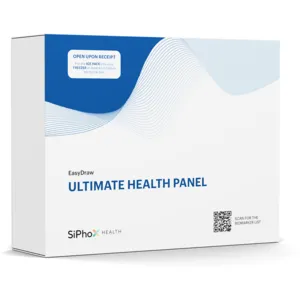
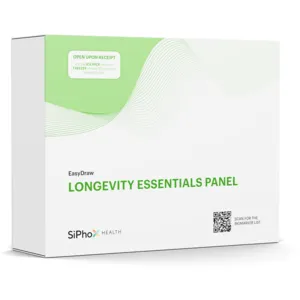
Two SiPhox panels carry the full fatigue set. Ultimate 360 adds iron, TIBC, saturation, B12, folate and free T4 to everything on the core panels, for $249 plus $25 shipping ($274 all-in). GLP Optimization is the cheaper route to the same fatigue markers at $199 plus shipping: it also has iron studies, B12, folate, free T4, kidney and liver markers, though SiPhox builds it for people on GLP-1 medication and it drops Lp(a) and the female cycle hormones. Longevity Essentials at $124 covers hemoglobin, ferritin, TSH, HbA1c, vitamin D and cortisol but not B12, folate or kidney and liver markers.
| If you want | Test | Choose |
|---|---|---|
| The broadest single check of the common causes | Hemoglobin, ferritin, iron studies, B12, folate, TSH, free T4, A1C, kidney, liver | Ultimate 360 |
| The same fatigue markers for $50 less | Iron studies, B12, folate, thyroid, A1C, kidney, liver | GLP Optimization |
| A cheaper first screen | Hemoglobin, ferritin, TSH, A1C, vitamin D, cortisol | Longevity Essentials |
| To add white cells, MCV and RDW | Full CBC | Any panel + CBC add-on ($45) |
| To retest ferritin after treatment | Ferritin, hemoglobin | Longevity Essentials |
| Infection, celiac or electrolyte tests | Venous labs | Your doctor |
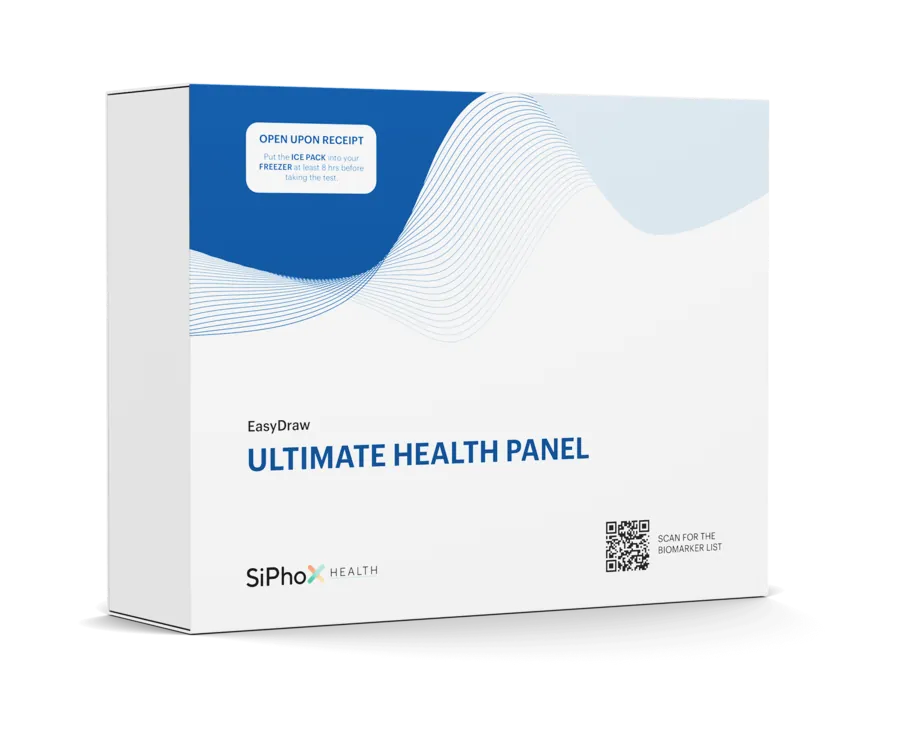
Ultimate 360
Everything on the four core panels plus iron studies, B12 and folate, GGT and PSA.
Check price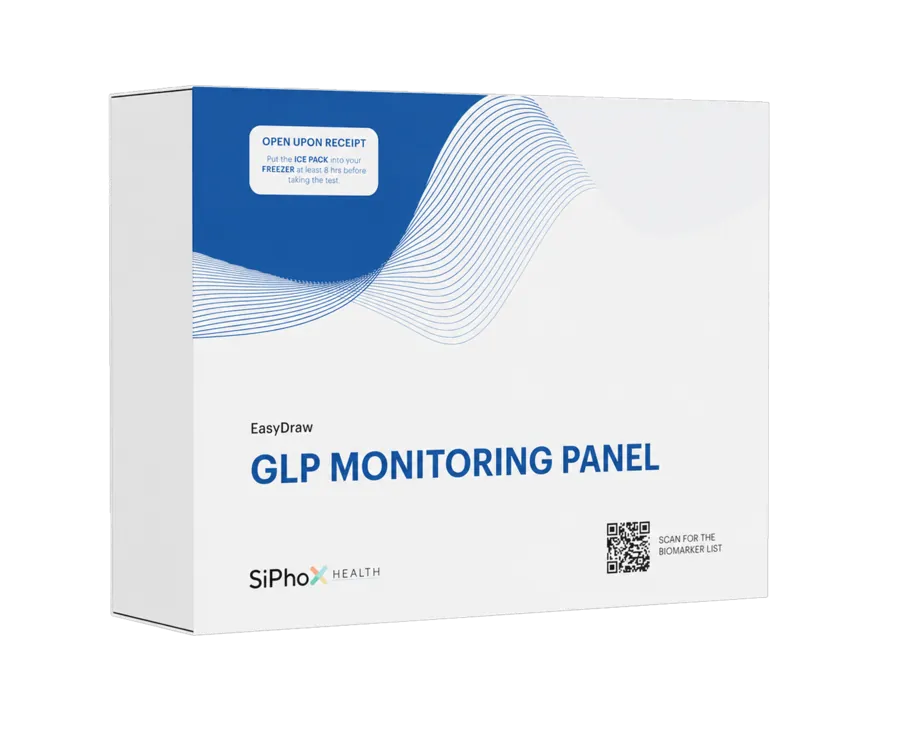
GLP Optimization
Built for people on GLP-1 medication: metabolic, liver, kidney, nutrient and iron markers.
Check price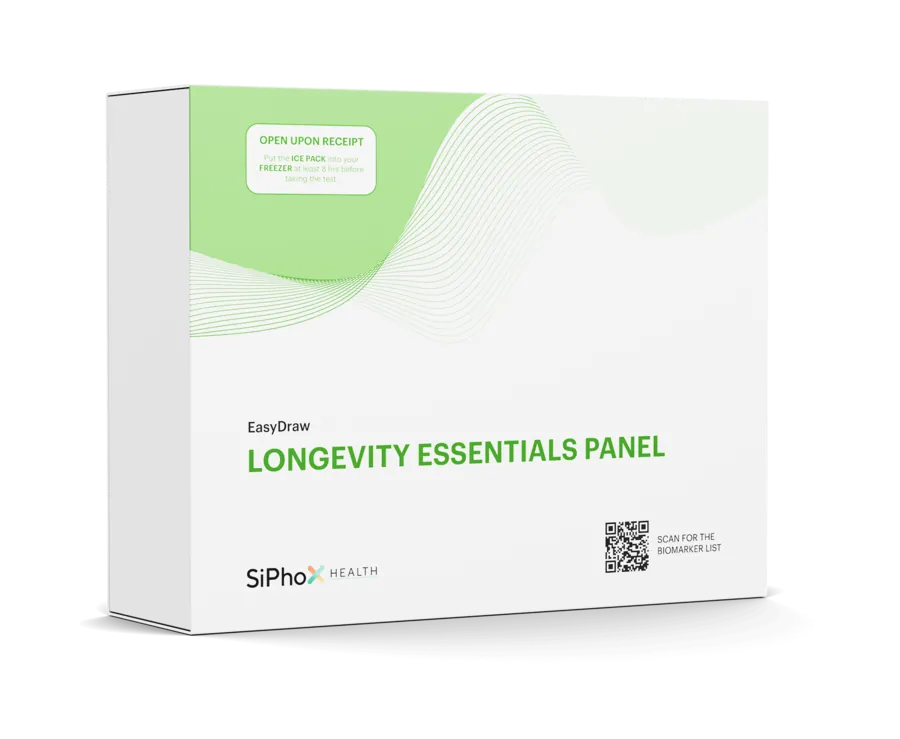
Longevity Essentials
The default panel: heart, metabolic, hormone and inflammation markers in one draw.
Check price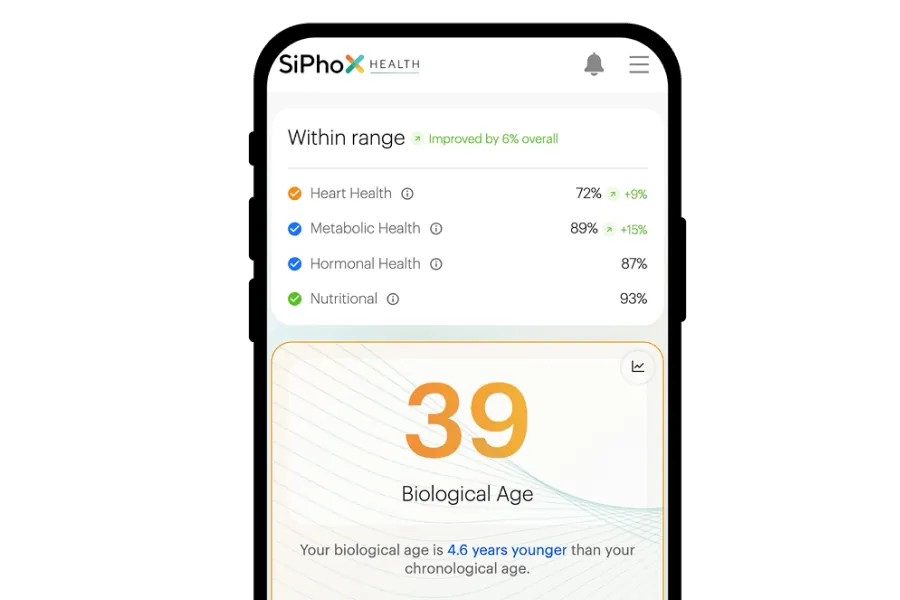
How to prepare for a fatigue blood test
- Stop biotin for a few days if your kit or doctor advises it. The FDA warns that high-dose biotin can distort thyroid and other hormone tests.
- Test in the morning, especially if cortisol or testosterone is on the panel, since both peak early.
- Note iron and B12 supplements. A recent iron tablet raises serum iron for hours; take it after the draw.
- Avoid testing while you have a cold or flu. Infection raises ferritin and CRP and can hide low iron.
- For SiPhox, drink about 16 oz of water 20 to 60 minutes before and warm the arm for 4 minutes. Our EasyDraw guide explains why.
Frequently asked questions
What blood tests should I ask for if I am always tired?
Ask for a complete blood count, ferritin and iron studies, TSH, HbA1c, vitamin B12 and folate, and a comprehensive metabolic panel. Add vitamin D, CRP or cortisol if your symptoms point that way. These cover the most common treatable causes.
Can a blood test show why I am tired?
Sometimes. Anemia, low iron, thyroid disease, diabetes and B12 deficiency all show up on blood tests. In one primary care study, about 27% of people with fatigue received a diagnosis that explained it, so normal results are common.
Can low ferritin cause fatigue without anemia?
It can contribute. Ferritin falls before hemoglobin does, and some people feel tired with low ferritin and normal hemoglobin. Whether to treat it is a decision for your doctor.
Is there a blood test for chronic fatigue syndrome?
No. ME/CFS is diagnosed from symptoms, especially post-exertional malaise, using the 2015 National Academy of Medicine criteria. Blood tests are used to rule out other causes.
Should I test vitamin D for fatigue?
It is reasonable as part of a panel, but low vitamin D is rarely the whole answer. The National Academies consider 20 ng/mL enough for most people, and the 2024 Endocrine Society guideline does not recommend routine testing in healthy adults.
Sources
- Latimer KM et al. Fatigue in adults: evaluation and management. Am Fam Physician 2023
- WHO: Guideline on haemoglobin cutoffs to define anaemia in individuals and populations (2024)
- Ko CW et al. AGA clinical practice guidelines on the gastrointestinal evaluation of iron deficiency anemia. Gastroenterology 2020
- MedlinePlus: Complete blood count (CBC)
- MedlinePlus: Ferritin blood test
- MedlinePlus: Iron tests
- MedlinePlus: Vitamin B test
- American Diabetes Association: Standards of Care in Diabetes 2026, Diabetes Care 49 (Supplement 1)
- MedlinePlus: TSH (thyroid-stimulating hormone) test
- NIDDK (NIH): Diabetes tests and diagnosis
- Ross AC et al. The 2011 report on dietary reference intakes for calcium and vitamin D from the Institute of Medicine. J Clin Endocrinol Metab 2011
- Demay MB et al. Vitamin D for the prevention of disease: an Endocrine Society clinical practice guideline. J Clin Endocrinol Metab 2024
- National Kidney Foundation: Estimated glomerular filtration rate (eGFR)
- MedlinePlus: Comprehensive metabolic panel (CMP)
- MedlinePlus: Cortisol test
- FDA: Biotin interference with lab tests
- SiPhox Health: Ultimate 360 panel (checked 29 Sep 2026)
- SiPhox Health: Longevity Essentials panel and add-ons (checked 29 Sep 2026)
- SiPhox Health: EasyDraw collection instructions