What is eGFR?
eGFR stands for estimated glomerular filtration rate. It estimates how much blood your kidneys filter each minute, adjusted to a standard body size of 1.73 m², and it is the main number doctors use to judge kidney function and to stage chronic kidney disease (CKD).
eGFR is calculated, not measured. The lab takes your blood creatinine, your age and your sex and runs them through an equation. The current US standard, the 2021 CKD-EPI creatinine equation, has no race term, unlike older versions. Some labs also use cystatin C, a second filtration marker. A directly measured GFR, using a substance such as iohexol, is more accurate but slower and more expensive, so it is rarely needed.
eGFR normal range and CKD stages
For adults, an eGFR of 90 or higher is in the normal range. 60 to 89 may mean early kidney disease, but only if there are other signs of damage such as protein in the urine; on its own it is common in older adults. Below 60 for at least three months is a sign of CKD, and below 15 is a sign of kidney failure.
| Stage | eGFR | What it means (NKF) |
|---|---|---|
| G1 | 90 or above | Normal function; kidney damage possible if there is protein in the urine |
| G2 | 60 to 89 | Kidney damage with mild loss of function |
| G3a | 45 to 59 | Mild to moderate loss of function |
| G3b | 30 to 44 | Moderate to severe loss of function |
| G4 | 15 to 29 | Severe loss of function |
| G5 | Under 15 | Kidney failure |
National Kidney Foundation stages. G1 is 90 or higher with signs of kidney damage; G5 means under 15.
Average eGFR by age
eGFR declines with age even in people without kidney disease. These are the National Kidney Foundation's average values:
| Age | Average eGFR |
|---|---|
| 20 to 29 | 116 |
| 30 to 39 | 107 |
| 40 to 49 | 99 |
| 50 to 59 | 93 |
| 60 to 69 | 85 |
| 70 and over | 75 |
National Kidney Foundation average values.
So an eGFR of 82 at age 68 is close to average, while the same number at 30 is well below it. What matters most is the trend over time and whether your urine shows albumin, which is why the NKF recommends pairing eGFR with a urine albumin test.
What a low eGFR means
A low eGFR means your kidneys are filtering less blood than expected for your size. MedlinePlus lists these causes of a lower-than-normal result:
- Loss of body fluids (dehydration)
- Too little blood flow to the kidneys, including from heart or liver disease
- Damage to the kidneys' filtering units or tubules
- A blockage of the bladder or urinary tract
The main risk factors for CKD, according to the NKF, are diabetes, high blood pressure, overweight or obesity, being over 60 and a family history of kidney disease. Early CKD usually causes no symptoms, so a blood test is often the only way to find it.
A single eGFR can dip with dehydration or a short illness. CKD is defined by a result that stays below 60 for three months or more, and the NKF advises repeating the test in 3 months. If your eGFR is under 60, or has dropped noticeably since your last result, talk to your doctor. An eGFR under 15 needs prompt medical attention.
Worked example: an eGFR of 58 at age 62
Say a 62-year-old man with high blood pressure gets an eGFR of 58 on a routine panel. On the NKF table that is stage G3a (45 to 59), and it is well below the average of 85 for people in their 60s. It is also a single result.
First, check what could have pulled it down: was he dehydrated or ill, did he eat a large meat meal or train hard the day before, and has he started a medicine such as trimethoprim? Then the NKF rule applies: repeat the test in 3 months, because CKD means a result under 60 that lasts three months or more.
Questions to take to the doctor: Should we repeat eGFR in 3 months and add a urine albumin test? Would a cystatin C estimate help, given my muscle mass? Is my blood pressure where it needs to be to protect my kidneys? Should any of my medicines be reviewed?
What a high eGFR means
An eGFR above 90 is usually just normal. Because the estimate is built on creatinine, and creatinine depends on muscle mass, people with very little muscle can get a flattering eGFR that overstates kidney function, while very muscular people can get a low one that understates it. Pregnancy also changes GFR. In these cases doctors may check cystatin C or a measured GFR instead.
What can change your eGFR
- Meat and hard exercise. MedlinePlus notes that meat can temporarily raise creatinine, and intense exercise can too. A higher creatinine gives a lower eGFR.
- Hydration. Dehydration lowers eGFR and can make a normal kidney look impaired.
- Medicines. Some antibiotics (such as trimethoprim and cefoxitin) and stomach acid medicines (such as cimetidine and famotidine) can affect creatinine results. Never stop a medicine without asking your doctor.
- Blood pressure and blood sugar. Diabetes and high blood pressure are major CKD risk factors (NKF), so your HbA1c and blood pressure matter for your kidneys. The NKF lists medicines such as ACE inhibitors, ARBs and SGLT2 inhibitors that may slow kidney disease; whether you need one is a decision for your doctor.
How to test eGFR accurately
- Drink normally beforehand. Do not test while dehydrated or unwell.
- Skip very large meat meals and hard workouts the day before. Some providers ask you to avoid meat for 24 hours.
- Ask whether to fast. Creatinine alone does not need it, but other tests on the same draw might.
- Tell whoever orders the test about every medicine and supplement you take.
- Compare results from the same lab over time rather than reading one value in isolation.
Which at-home tests include eGFR
SiPhox Health reports eGFR, together with creatinine, on four of its six panels:
- Heart & Metabolic (included in the base price): eGFR, creatinine, BUN and the BUN:creatinine ratio, plus lipids, ApoB, HbA1c and liver enzymes such as ALT.
- Thyroid Focus (included): creatinine and eGFR alongside the full thyroid panel.
- Ultimate 360 (+$125 a test) and GLP Optimization (+$75 a test): the full kidney set.
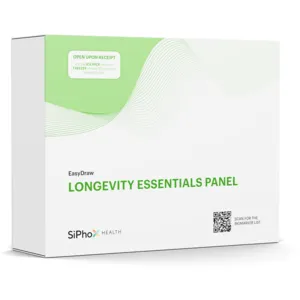
eGFR is not on Longevity Essentials or Hormone Focus. SiPhox's current panels do not include cystatin C or a urine albumin test, so they can flag a low eGFR to take to your doctor but cannot stage kidney disease on their own. SiPhox also sells a one-off Kidney, Liver and Lp(a) panel (12 markers, $85). Our SiPhox review covers accuracy and turnaround, and people on GLP-1 medication can see what the GLP-1 blood test adds.
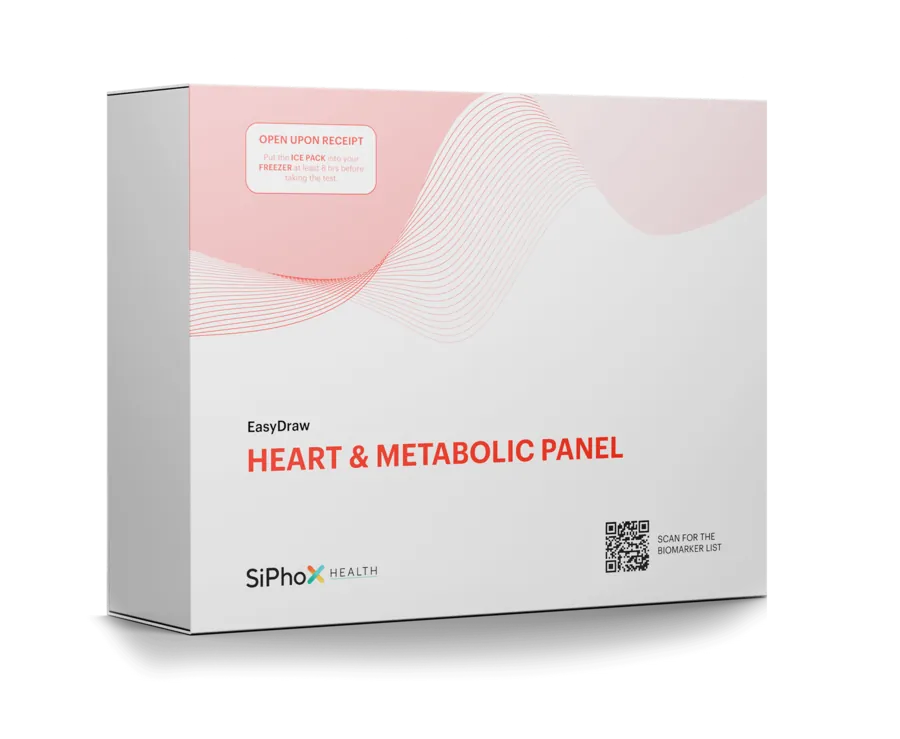
Heart & Metabolic
Lipids plus kidney and liver function: the panel for cardiovascular and metabolic risk.
Check price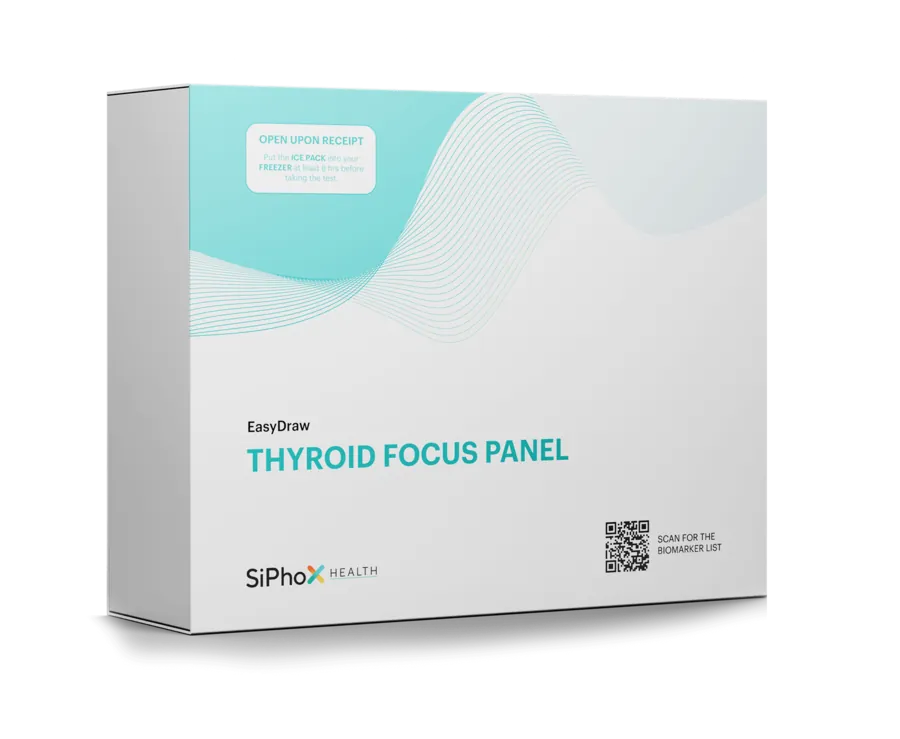
Thyroid Focus
A full thyroid workup including both thyroid antibodies, plus core lipids.
Check price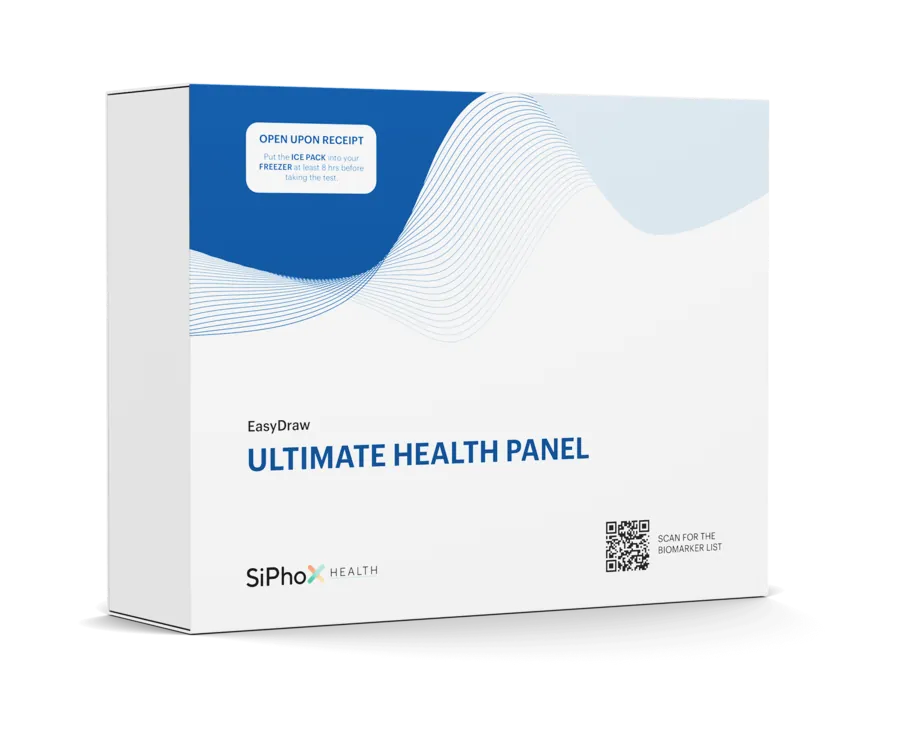
Ultimate 360
Everything on the four core panels plus iron studies, B12 and folate, GGT and PSA.
Check price
Frequently asked questions
What is a normal eGFR for my age?
90 or higher is normal at any adult age. Average values fall with age, from about 116 in your 20s to 93 in your 50s and 75 from age 70 (National Kidney Foundation). A value between 60 and 89 is only classed as kidney disease if there are other signs of damage, such as protein in the urine.
Is an eGFR of 60 bad?
60 is the line doctors watch. Between 60 and 89 counts as mildly reduced, and below 60 for three months or more meets the definition of chronic kidney disease. A single reading near 60 should be repeated and discussed with your doctor, ideally with a urine albumin test.
Can drinking more water raise my eGFR?
Only if dehydration caused the low reading. Rehydrating can bring a falsely low eGFR back to your usual level, but extra water does not change eGFR that is low because of kidney damage.
What is the difference between eGFR and creatinine?
Creatinine is the waste product actually measured in your blood. eGFR is calculated from creatinine, age and sex to estimate filtering capacity. High creatinine means a low eGFR. See our creatinine guide.
Can I check eGFR with an at-home test?
Yes. SiPhox Health reports eGFR and creatinine on its Heart & Metabolic, Thyroid Focus, Ultimate 360 and GLP Optimization panels, from an upper-arm draw at home. It does not include cystatin C or urine albumin.
Sources
- National Kidney Foundation: Estimated glomerular filtration rate (eGFR)
- National Kidney Foundation: CKD-EPI creatinine equation (2021)
- KDIGO 2024 clinical practice guideline for the evaluation and management of CKD
- MedlinePlus Medical Encyclopedia: Glomerular filtration rate
- MedlinePlus Lab Tests: Glomerular filtration rate (GFR) test
- MedlinePlus Lab Tests: Creatinine test
- MedlinePlus Medical Encyclopedia: Creatinine blood test
- SiPhox Health: panel comparison (checked 29 Sep 2026)
- SiPhox Health: Heart & Metabolic panel