Quick answer: under 1.0 mg/L is low risk, 1.0 to 3.0 mg/L average and above 3.0 mg/L high cardiovascular risk (AHA/CDC statement, 2003; MedlinePlus). The 2018 AHA/ACC cholesterol guideline counts 2.0 mg/L or more as a risk-enhancing factor. Above 10 mg/L, set the result aside: look for an infection or inflammation, and retest at least two weeks after it has cleared.
hs-CRP normal range
| hs-CRP (mg/L) | Same in mg/dL | Meaning | Source |
|---|---|---|---|
| Under 1.0 | Under 0.1 | Low cardiovascular risk | AHA/CDC; MedlinePlus |
| 1.0 to 3.0 | 0.1 to 0.3 | Average risk | AHA/CDC; MedlinePlus |
| Above 3.0 | Above 0.3 | High risk | AHA/CDC; MedlinePlus |
| 2.0 or more | 0.2 or more | Risk-enhancing factor | 2018 AHA/ACC guideline |
| Above 10 | Above 1.0 | Look for infection or inflammation; repeat later | AHA/CDC |
MedlinePlus adds that most healthy adults have a CRP below 0.3 mg/dL (3 mg/L). The 2026 ACC/AHA guideline keeps hs-CRP on its list of markers used to refine heart risk.
AHA/CDC statement, 2003. Under 1.0 mg/L is low risk; above 10 mg/L points to infection or inflammation and should be repeated. The 2018 AHA/ACC guideline counts 2.0 mg/L or more as a risk enhancer.
How to read your result
- Check the unit. The bands above are mg/L. If your report says mg/dL, multiply by 10 first.
- Check the context. Were you ill, injured or recovering from something in the past two weeks? If so, the number is not a heart-risk reading.
- Look for a second result. The AHA/CDC approach averages two tests taken about two weeks apart.
- Read it with your lipids. A high hs-CRP matters most alongside a high ApoB or LDL, where it can tip a borderline decision about treatment.
mg/L or mg/dL?
This is the most common source of confusion with CRP. The heart-risk categories above are in mg/L. Some labs, and many standard CRP reports, use mg/dL, where the same amount is ten times smaller: 3 mg/L equals 0.3 mg/dL. Cleveland Clinic's general CRP page, for example, calls under 0.9 mg/dL normal and 1.0 to 10.0 mg/dL moderately raised; those are infection and inflammation ranges for standard CRP, not heart-risk bands. Check the unit before you compare.
What is hs-CRP?
C-reactive protein is made by the liver when there is inflammation anywhere in the body. A standard CRP test picks up the large rises seen with infection or injury. The high-sensitivity (hs) version measures the same protein but can read the low levels that matter for heart risk. Inflammation plays a role in plaque buildup, so a persistently raised hs-CRP adds to the picture from LDL, ApoB and Lp(a).
What high hs-CRP means
One high reading is not a diagnosis. hs-CRP jumps with a cold, a sore tooth or a hard workout, which is why the AHA/CDC statement asks for two measurements. Cleveland Clinic lists these causes of minor elevations:
- Obesity, diabetes, smoking, insomnia and depression
- Gum disease (gingivitis or periodontitis) and the common cold
- Pregnancy and recent injury
Women and older adults tend to run a little higher. Big rises (Cleveland Clinic's marked elevation starts at 10 mg/dL, which is 100 mg/L) point to bacterial or viral infection, major injury or vasculitis, and need a doctor. A persistent hs-CRP above 3 mg/L with no infection is a reason to review your whole heart-risk profile with your doctor.
Worked example: two tests, one average
Say a 50-year-old man who smokes and has gum disease gets an hs-CRP of 4.2 mg/L while feeling well, then 2.6 mg/L two weeks later. Following the AHA/CDC approach, his average is 3.4 mg/L: just above the 3.0 mg/L high-risk line. Both results are also over the 2.0 mg/L risk-enhancer mark in the 2018 guideline. Had either come back above 10 mg/L, the right move would have been to set it aside and look for an infection.
What might explain it: smoking and gum disease are both on Cleveland Clinic's list of causes of minor CRP rises, along with obesity, diabetes, insomnia and depression.
Questions to take to his doctor:
- Together with my LDL and ApoB, does an average hs-CRP of 3.4 mg/L change my overall risk or a treatment decision?
- Should my gum disease be treated first, with hs-CRP retested afterwards?
- What help is there to stop smoking?
What lowers hs-CRP
- Weight: Cleveland Clinic lists obesity among the causes of raised CRP, so losing excess weight removes one source.
- Tobacco: smoking raises CRP; stopping removes that source.
- Blood sugar: diabetes raises it, so better A1C control helps.
- Gums and sleep: treating gum disease and fixing poor sleep remove two listed causes.
- Medication: hs-CRP is one input to your overall heart risk, not a target on its own. If your risk is high, discuss treatment options with your doctor.
How to test hs-CRP
No special preparation is needed (MedlinePlus; Cleveland Clinic), and fasting is optional. For heart-risk assessment, the AHA/CDC statement recommends two tests about two weeks apart while you are well, then averaging them. Avoid testing during or just after a cold, flu or an injury, and repeat any result above 10 mg/L after you have recovered.
Which at-home tests include hs-CRP
hs-CRP is on five SiPhox panels: Longevity Essentials, Heart & Metabolic, Thyroid Focus, Ultimate 360 and GLP Optimization. Only Hormone Focus leaves it out.
| SiPhox panel | Biomarkers per test | Per test, with shipping | Listed as |
|---|---|---|---|
| Longevity Essentials | 31 | $149 | hs-CRP (Inflammation) |
| Heart & Metabolic | 28 | $149 | hs-CRP (Inflammation) |
| Thyroid Focus | 21 | $149 | hs-CRP (Inflammation) |
| Ultimate 360 | 62 | $274 | hs-CRP (Inflammation) |
| GLP Optimization | 46 | $224 | hs-CRP (Inflammation) |
Because repeat testing is part of reading hs-CRP properly, a subscription that retests every one or three months suits it well. SiPhox collects from the upper arm with no needle, and there is no included doctor review, so bring persistent high results to your doctor. Compare kits on our longevity blood test page or read the SiPhox review.
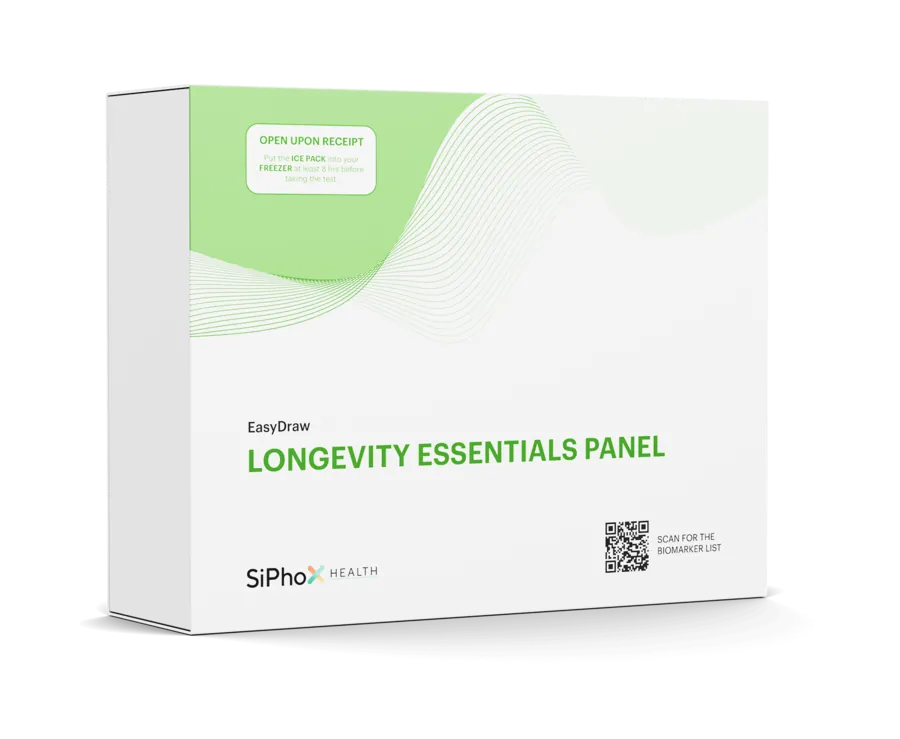
Longevity Essentials
The default panel: heart, metabolic, hormone and inflammation markers in one draw.
Check price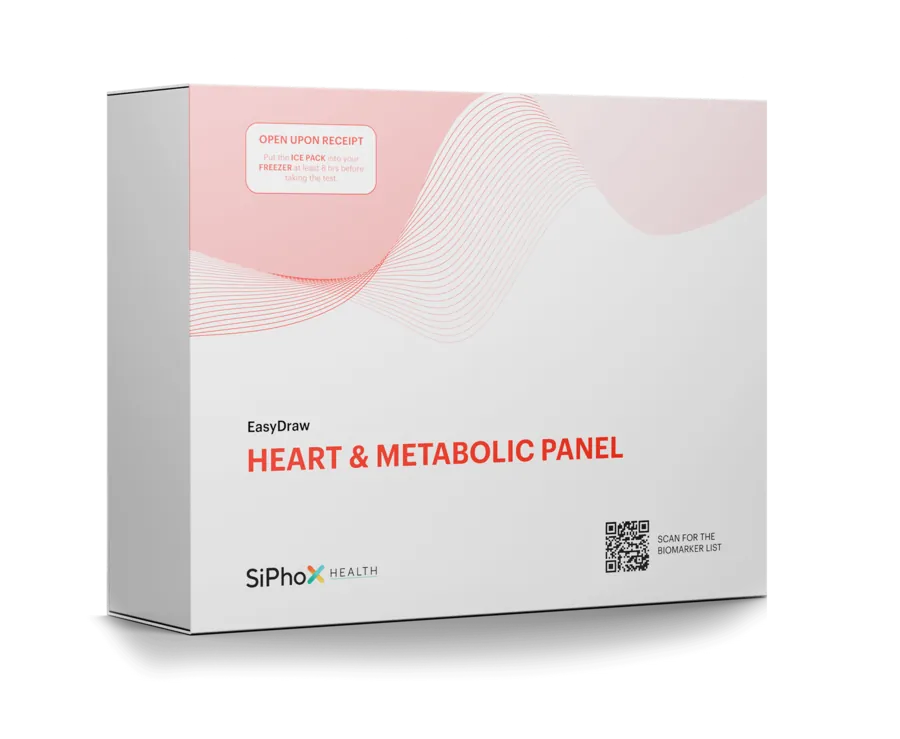
Heart & Metabolic
Lipids plus kidney and liver function: the panel for cardiovascular and metabolic risk.
Check price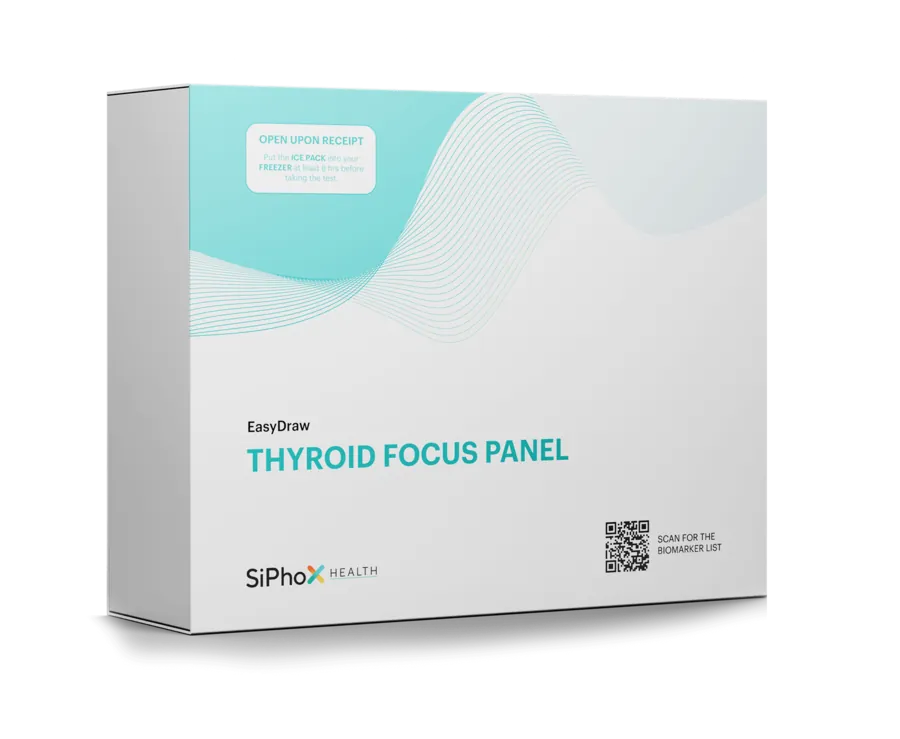
Thyroid Focus
A full thyroid workup including both thyroid antibodies, plus core lipids.
Check price
Frequently asked questions
What is a normal hs-CRP level?
Under 1.0 mg/L is low cardiovascular risk, 1.0 to 3.0 mg/L average and above 3.0 mg/L high (AHA/CDC; MedlinePlus).
Is hs-CRP of 5 bad?
5 mg/L is in the high-risk band if it is repeatable and you were well when tested. Retest in two weeks; if it stays above 3 mg/L, review your heart risk with your doctor.
What is the difference between CRP and hs-CRP?
They measure the same protein. hs-CRP is more sensitive and reads the low levels used for heart risk; standard CRP is used for infection and inflammation, often reported in mg/dL.
Should I fast before an hs-CRP test?
No special preparation is needed. The AHA/CDC statement allows fasting or non-fasting samples, taken twice about two weeks apart.
Why was my hs-CRP over 10?
Usually a short-term cause such as an infection, injury or flare of an inflammatory condition. The AHA/CDC statement says to set it aside, find the cause and retest after recovery.
Sources
- Pearson TA et al. Markers of inflammation and cardiovascular disease: a statement from the CDC and the American Heart Association. Circulation 2003
- MedlinePlus: C-reactive protein
- Cleveland Clinic: C-reactive protein (CRP) test
- Grundy SM et al. 2018 AHA/ACC multisociety guideline on the management of blood cholesterol. Circulation 2019
- American Heart Association newsroom: ACC/AHA issue updated guideline for managing lipids, cholesterol (March 13, 2026)
- SiPhox Health: panel comparison and biomarker lists (checked 29 Sep 2026)