Quick answer: under 100 mg/dL (2.6 mmol/L) is optimal for adults, 100 to 129 is near optimal, 130 to 159 borderline high, 160 to 189 high and 190 mg/dL (4.9 mmol/L) or more very high (NCEP ATP III; MedlinePlus). For people under 20, MedlinePlus uses under 110 mg/dL. If you are being treated, your goal depends on your risk: under 100, 70 or 55 mg/dL in the 2026 ACC/AHA guideline.
LDL cholesterol normal range
| Category | mg/dL | mmol/L |
|---|---|---|
| Optimal | Under 100 | Under 2.6 |
| Near optimal / above optimal | 100 to 129 | 2.6 to 3.3 |
| Borderline high | 130 to 159 | 3.4 to 4.1 |
| High | 160 to 189 | 4.1 to 4.9 |
| Very high | 190 or more | 4.9 or more |
Categories from the NCEP ATP III guidelines (NHLBI), which Cleveland Clinic still uses. To convert mg/dL to mmol/L, divide by 38.67. Your lab's report may show a slightly different range.
NCEP ATP III (NHLBI). Under 100 mg/dL is optimal and 190 mg/dL or more is very high.
LDL goals in the 2026 guideline
The 2026 ACC/AHA dyslipidemia guideline, published in March 2026, replaced the 2018 cholesterol guideline and brought back numeric goals for people who need treatment:
| Who | LDL-C goal | Non-HDL-C goal |
|---|---|---|
| Borderline or intermediate risk (primary prevention) | Under 100 mg/dL | Under 130 mg/dL |
| High risk (primary prevention) | Under 70 mg/dL | Under 100 mg/dL |
| Known cardiovascular disease | Under 70 mg/dL | Under 100 mg/dL |
| Very high-risk cardiovascular disease | Under 55 mg/dL (1.4 mmol/L) | Under 85 mg/dL (2.2 mmol/L) |
Risk is now estimated with the PREVENT calculator for adults 30 to 79 with LDL between 70 and 189 mg/dL. An LDL of 190 mg/dL or more is treated as severe on its own, without a risk calculation (2018 guideline). The AHA estimates 1 in 4 US adults has high LDL.
Goals are upper limits (stay under each value) from the 2026 ACC/AHA dyslipidemia guideline.
Worked example: LDL 142 at intermediate risk
Say a 52-year-old woman, two years past menopause, gets an LDL of 142 mg/dL (3.7 mmol/L) with HDL of 58 mg/dL and triglycerides of 120 mg/dL, and her doctor's PREVENT estimate puts her at intermediate risk. On the ATP III scale, 142 is borderline high (130 to 159). Against the 2026 goal for her risk group, under 100 mg/dL, she is 42 mg/dL over.
What might explain it: Cleveland Clinic lists age and menopause among the causes of higher LDL, along with diet, weight and genes. Her HDL and triglycerides are in range, so the LDL itself is the issue rather than a wider metabolic pattern.
Questions to take to her doctor:
- What is my PREVENT risk, and is under 100 mg/dL the right goal for me?
- Would a one-time Lp(a), a risk enhancer, change the decision?
- How long should I try diet and activity changes before we discuss medication?
- If I start treatment, should we recheck at 4 to 12 weeks, as the 2026 guideline suggests?
What is LDL cholesterol?
LDL (low-density lipoprotein) particles carry cholesterol to tissues. When too many circulate, they get into artery walls and build plaque, which is why LDL is called "bad" cholesterol. The LDL-C number is the amount of cholesterol inside those particles. ApoB counts the particles themselves, and the two can disagree, especially with high triglycerides or diabetes.
Many labs, SiPhox included, report a calculated LDL: it is worked out from total cholesterol, HDL and triglycerides rather than measured directly. That is one more reason to look at ApoB alongside it.
What high LDL means
High LDL raises the risk of heart attack and stroke over time, and the effect adds up over years. Cleveland Clinic lists these common causes:
- A diet high in saturated and trans fats
- Overweight or obesity, and tobacco use including vaping
- Conditions such as diabetes, kidney disease and HIV, and some medications
- Age, and menopause in women
- Genes: high LDL can run in families, and an LDL of 190 mg/dL or more is treated as severe in its own right and needs a doctor's review
What low LDL means
Cleveland Clinic's advice is simple: if your LDL is low, keep doing what you are doing. Guidelines set goals down to under 55 mg/dL for very high-risk patients, so low LDL on its own is not a warning sign. A sudden unexplained drop is worth mentioning to your doctor.
How to lower LDL
- Eat for your heart: Cleveland Clinic suggests a Mediterranean-style diet with less saturated and trans fat.
- Move: about 30 minutes of aerobic activity a day.
- Weight, sleep and tobacco: the 2026 guideline lists a healthy weight, regular activity, healthy sleep and no tobacco as the first step.
- Medication when needed: statins remain the foundation, with ezetimibe, bempedoic acid or PCSK9 antibodies added if needed (2026 guideline). The guideline also backs starting medication earlier than before if lifestyle is not enough. Talk to your doctor about whether that applies to you.
How to test LDL
LDL is part of a standard lipid panel. The 2018 guideline allows screening with a fasting or non-fasting sample; MedlinePlus notes you may be asked to fast 9 to 12 hours. After starting or changing treatment, the 2026 guideline schedules a recheck at 4 to 12 weeks, then every 6 to 12 months. For home options, see our at-home cholesterol test comparison.
Which at-home tests include LDL
SiPhox reports calculated LDL on five panels: Longevity Essentials, Heart & Metabolic, Thyroid Focus, Ultimate 360 and GLP Optimization. Only Hormone Focus leaves it out.
| SiPhox panel | Biomarkers per test | Per test, with shipping | Listed as |
|---|---|---|---|
| Longevity Essentials | 31 | $149 | Calculated LDL cholesterol (Heart) |
| Heart & Metabolic | 28 | $149 | Calculated LDL cholesterol (Heart) |
| Thyroid Focus | 21 | $149 | Calculated LDL cholesterol (Heart) |
| Ultimate 360 | 62 | $274 | Calculated LDL cholesterol (Heart) |
| GLP Optimization | 46 | $224 | Calculated LDL cholesterol (Heart) |
If LDL is your main concern, Longevity Essentials or Heart & Metabolic make more sense than Thyroid Focus, because they add ApoB and Lp(a). Samples are collected from the upper arm with the EasyDraw device. SiPhox is a wellness service without included doctor review, so share an out-of-range result with your doctor. More in our SiPhox review.
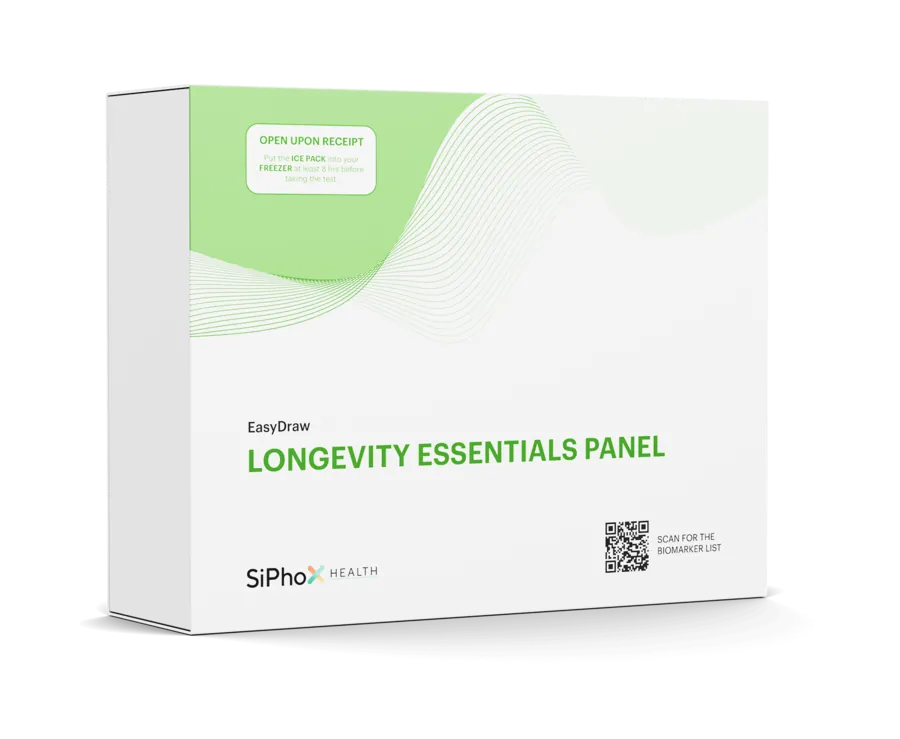
Longevity Essentials
The default panel: heart, metabolic, hormone and inflammation markers in one draw.
Check price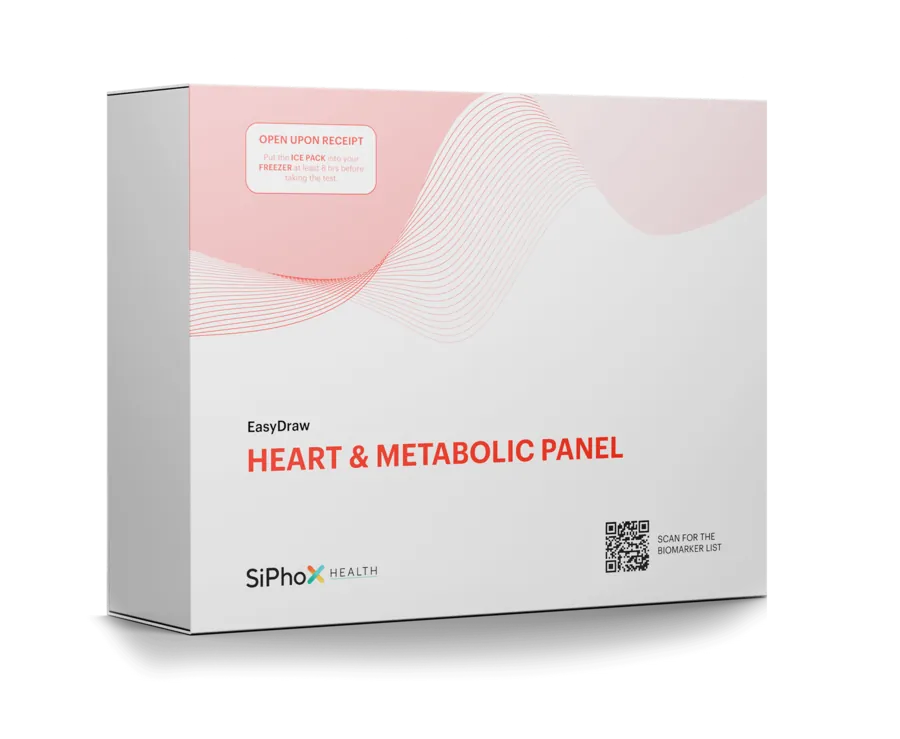
Heart & Metabolic
Lipids plus kidney and liver function: the panel for cardiovascular and metabolic risk.
Check price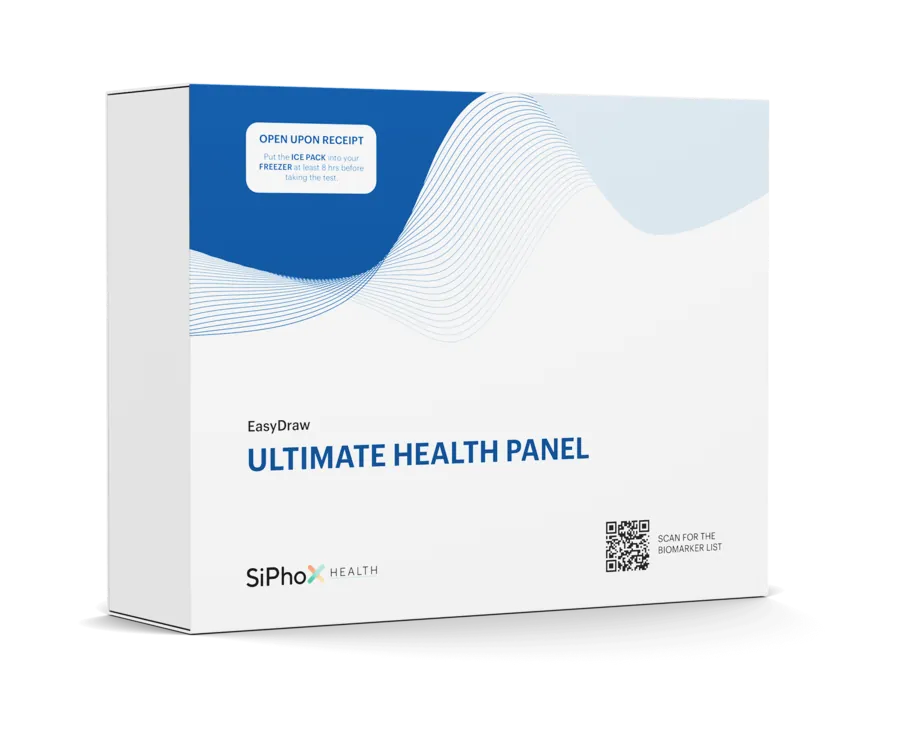
Ultimate 360
Everything on the four core panels plus iron studies, B12 and folate, GGT and PSA.
Check price
Frequently asked questions
What is a normal LDL cholesterol level?
Under 100 mg/dL (2.6 mmol/L) for adults 20 and older, according to MedlinePlus and the NCEP ATP III categories. For people 19 and younger, MedlinePlus uses under 110 mg/dL.
Is an LDL of 130 bad?
130 to 159 mg/dL is borderline high. Whether it needs treatment depends on your overall risk; the 2026 guideline sets a goal of under 100 mg/dL for people at borderline or intermediate risk.
What LDL level needs medication?
An LDL of 190 mg/dL or more is usually treated without a risk calculation. Below that, your doctor weighs your 10-year risk, risk enhancers such as Lp(a), and the goals in the 2026 guideline.
Do I need to fast for an LDL test?
Not always. US guidelines allow non-fasting lipid screening, but some labs ask for a 9 to 12 hour fast, mainly because triglycerides rise after a meal and affect calculated LDL.
Is ApoB better than LDL?
ApoB predicts risk at least as well and better when the two disagree, according to the National Lipid Association. The 2026 guideline suggests ApoB to check residual risk once LDL goals are met.
Sources
- NHLBI: ATP III guidelines at-a-glance quick desk reference (NCEP)
- MedlinePlus: Cholesterol levels, what you need to know
- American Heart Association newsroom: ACC/AHA issue updated guideline for managing lipids, cholesterol (March 13, 2026)
- Blumenthal RS et al. 2026 ACC/AHA multisociety guideline on the management of dyslipidemia. J Am Coll Cardiol 2026
- American College of Cardiology: Prioritizing health, how the 2026 dyslipidemia guideline changes practice (July 2026)
- American College of Cardiology: Getting to goals, applying the 2026 dyslipidemia guideline in high-risk patients (September 2026)
- Grundy SM et al. 2018 AHA/ACC multisociety guideline on the management of blood cholesterol. Circulation 2019
- Cleveland Clinic: LDL cholesterol
- Soffer DE et al. Role of apolipoprotein B in the clinical management of cardiovascular risk in adults: NLA expert clinical consensus. J Clin Lipidol 2024
- Cardiometabolic Health Congress: What the 2026 dyslipidemia guidelines mean for your patients and your practice
- SiPhox Health: panel comparison and biomarker lists (checked 29 Sep 2026)