
Which blood work for athletes is worth doing
A 2019 Sports Medicine review of blood biomarker monitoring in high-performance sport names the main uses: finding iron, vitamin or energy deficiency, spotting inflammation, and tracking red blood cells. It also warns that population reference ranges are of limited value in athletes, so repeated tests against your own baseline matter more than any single result.
| Marker | Why it matters | What a result suggests | On SiPhox |
|---|---|---|---|
| Ferritin | Iron stores; drops before performance suffers | Under 35 ng/mL is the early iron-depletion stage used in sports research | Longevity, Thyroid Focus, Ultimate 360, GLP |
| Iron, TIBC, saturation | Separates low stores from true iron deficiency | Saturation under 16% with low ferritin is more advanced deficiency | Ultimate 360, GLP |
| Hemoglobin | Oxygen-carrying capacity | Low values with low ferritin mean iron deficiency anemia | Longevity, Heart & Metabolic, Ultimate 360, GLP |
| Vitamin D | Bone health; indoor and winter athletes run low | Under 12 ng/mL risks deficiency; 20 ng/mL is enough for most people | Longevity, Ultimate 360, GLP |
| B12 and folate | Red cell production; plant-based athletes at risk | Low values need diet review | Ultimate 360, GLP |
| Free T3 | Falls when energy intake does not cover training | Low T3 is one REDs indicator | Thyroid Focus, Ultimate 360 |
| Testosterone (men) | Drops with low energy availability and overreaching | Low total T in a male athlete is another REDs indicator | Longevity (men), Hormone Focus, Ultimate 360, GLP (men) |
| Estradiol, LH, FSH (women) | Menstrual function reflects energy availability | Missed periods with low estradiol need a sports physician | Longevity (women), Hormone Focus, Ultimate 360, GLP |
| Cortisol | Stress hormone; morning timing matters | Read alongside training load; one value says little | Longevity, Heart & Metabolic, Thyroid Focus, Hormone Focus, Ultimate 360 |
| hs-CRP | Inflammation, illness or recent hard sessions | Spikes after hard efforts; test rested | Longevity, Heart & Metabolic, Thyroid Focus, Ultimate 360, GLP |
| AST, ALT, creatine kinase | Muscle damage raises AST and CK | Raised after heavy training without liver disease; CK is not on SiPhox | Heart & Metabolic, Thyroid Focus, Ultimate 360, GLP |
| Creatinine and eGFR | Kidney function | Muscular athletes often read higher creatinine and lower eGFR | Heart & Metabolic, Thyroid Focus, Ultimate 360, GLP |
Iron: the most common problem in athletes
Source: Sim et al., Eur J Appl Physiol 2019 narrative review of athlete cohorts.
Iron deficiency is most common in female and endurance athletes. The 2019 review by Sim and colleagues puts it at about 15% to 35% of female athlete cohorts and 5% to 11% of male cohorts, and highlights hepcidin, the iron-regulating hormone that rises after exercise and cuts iron absorption for hours. Sports researchers stage the problem: stores falling (ferritin under 35 ng/mL), then iron-deficient red cell production (ferritin under 20 and saturation under 16%), then anemia.
That is why ferritin is the anchor marker. It falls first, and the fix (diet, supplement timing, sometimes iron treatment) is much easier before hemoglobin drops. Ferritin also rises with inflammation, so a ferritin taken the day after a race can look falsely reassuring. Our at-home iron test guide explains ferritin and saturation together.
Low energy availability and REDs
Relative Energy Deficiency in Sport (REDs) happens when food intake does not cover training. The 2023 International Olympic Committee consensus statement describes effects on hormones, bone, metabolism and performance in both female and male athletes. Its clinical assessment tool (REDs CAT2) scores low or low-normal triiodothyronine (T3) and, in male athletes, low or low-normal testosterone as primary indicators, and total or LDL cholesterol above the reference range as a secondary indicator, alongside missed periods in women and bone stress injuries.
No blood test diagnoses REDs on its own; it is a clinical assessment. But a panel that shows low free T3, low testosterone or estradiol and falling ferritin in a hard-training athlete is a reason to see a sports physician or dietitian now, not after the next injury.
How to time blood work around training
Pedlar and colleagues stress that poor control of pre-test conditions is one of the biggest problems with athlete blood data. A practical protocol:
- Test on a rest or easy day, ideally 24 to 48 hours after your last hard session, so CRP, AST and CK are not inflated.
- Same time of day every time, usually morning, because cortisol and testosterone peak early.
- Normal hydration. Dehydration concentrates hemoglobin and creatinine.
- Same point in the season for year-on-year comparison, and note altitude camps, which change hemoglobin and iron needs.
- Women: note the cycle day for estradiol, LH and FSH.
- Hold iron tablets until after the draw, and tell the reader about biotin.
How often: many athletes test at the start of a training block and again 8 to 12 weeks later, then before the key race. See our guide to how often to get blood work.
Worked example: a marathoner in a big block
Illustrative numbers. A 24-year-old woman running 70 miles a week, who has not had a period for four months, tests on a rest day:
| Marker | Result | Reading |
|---|---|---|
| Ferritin | 22 ng/mL | Under 35: iron stores depleted |
| Hemoglobin | 12.9 g/dL | Not anemic yet (WHO cut-off 12.0) |
| Free T3 | Low end of the lab range | Fits low energy availability |
| Estradiol | Low | Fits missed periods |
| Vitamin D | 28 ng/mL | Above the 20 ng/mL threshold |
The iron picture alone would suggest a diet and supplement conversation. Combined with four months without a period, low T3 and low estradiol, it is a REDs pattern that needs a sports physician and dietitian promptly, because low energy availability also threatens bone. A recheck of ferritin and hormones 8 to 12 weeks later shows whether fueling changes are working.
What an at-home test can and cannot do for athletes
- Test on your rest day, at home, at the same time every block
- Track ferritin, hemoglobin, hormones and vitamin D against your own baseline
- Flag a pattern early enough to change fueling or training
- Diagnose REDs, anemia or overtraining: a diagnosis needs a clinician
- Measure creatine kinase, lactate or hepcidin
- Replace a bone density scan when stress fractures are a worry
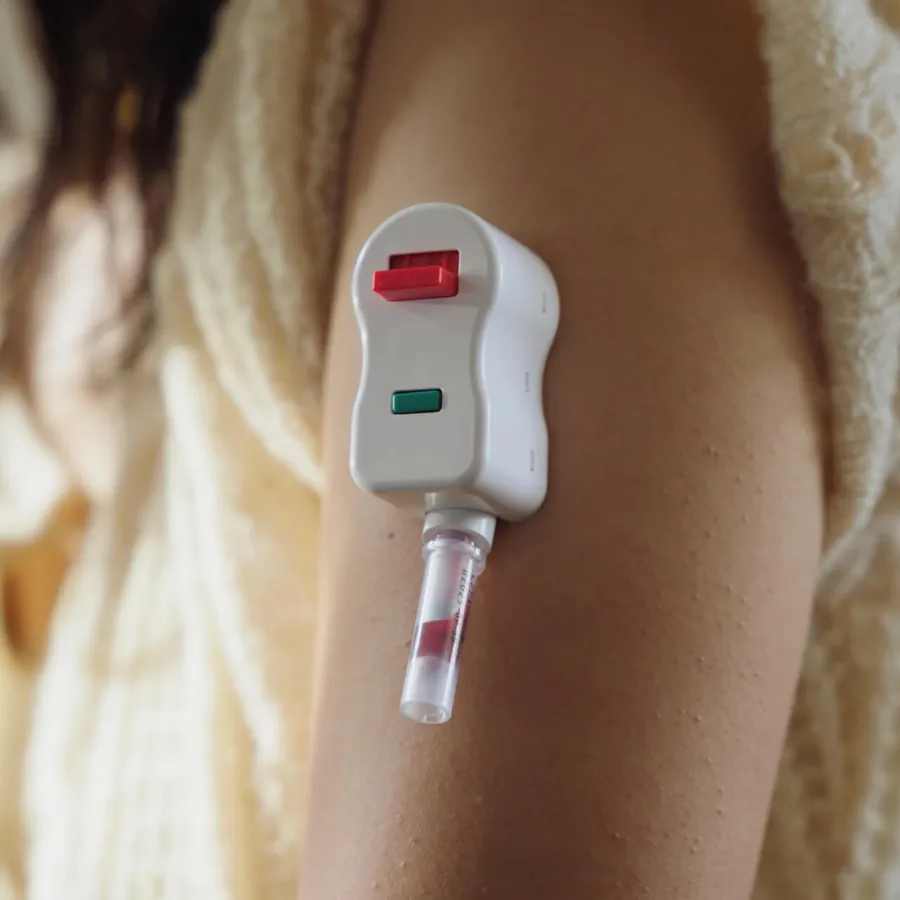
Best-fit SiPhox panel for athletes
| If you want | Test | Choose |
|---|---|---|
| A full block-start baseline | Iron studies, hemoglobin, vitamin D, B12, free T3, hormones, hs-CRP, liver, kidney | Ultimate 360 |
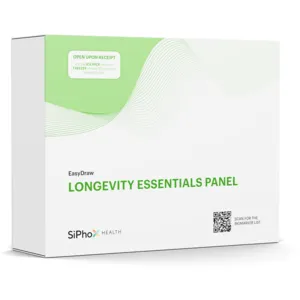
| Routine checks between blocks | Ferritin, hemoglobin, vitamin D, testosterone or female hormones, cortisol, hs-CRP | Longevity Essentials |
| T3 and thyroid focus | TSH, free T4, free T3, ferritin | Thyroid Focus |
| Growth hormone axis | IGF-1 | Any panel + IGF-1 add-on ($70) |
| Creatine kinase, lactate or a DEXA scan | Lab or clinic | Your sports physician |
A common plan: Ultimate 360 at the start of the season ($274 with shipping), then Longevity Essentials every 8 to 12 weeks ($149 each) to recheck ferritin, hemoglobin and hormones. Four tests a year on that plan cost $721. Add the CBC (+$45) if you want full red cell indices. SiPhox also reports a testosterone:cortisol ratio; it is popular in sport, but it should be read as a trend alongside training load rather than a verdict. Our IGF-1 page covers that add-on.
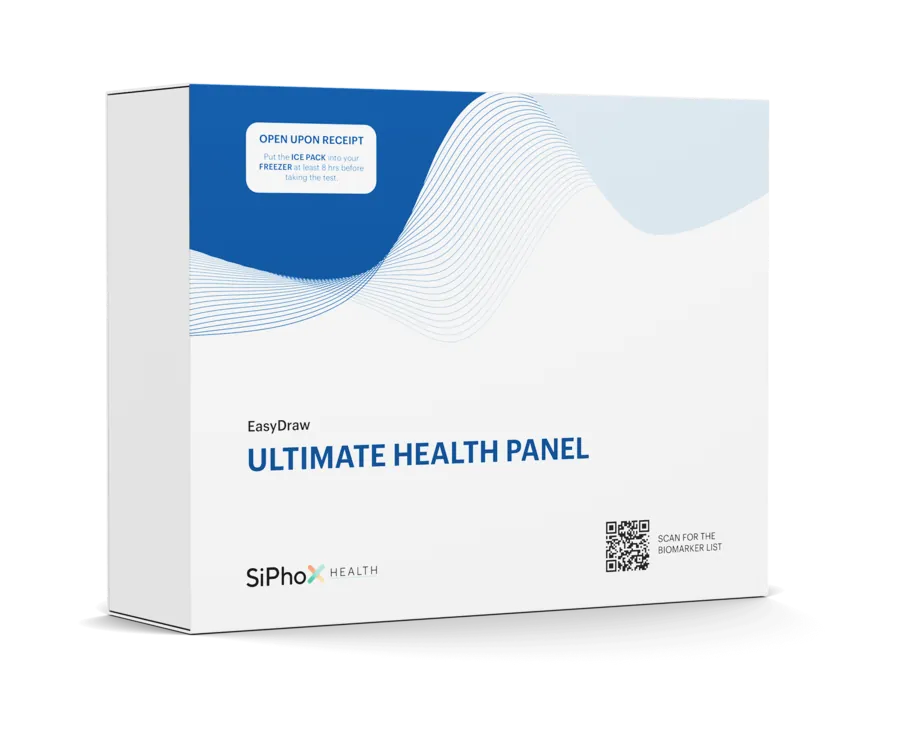
Ultimate 360
Everything on the four core panels plus iron studies, B12 and folate, GGT and PSA.
Check price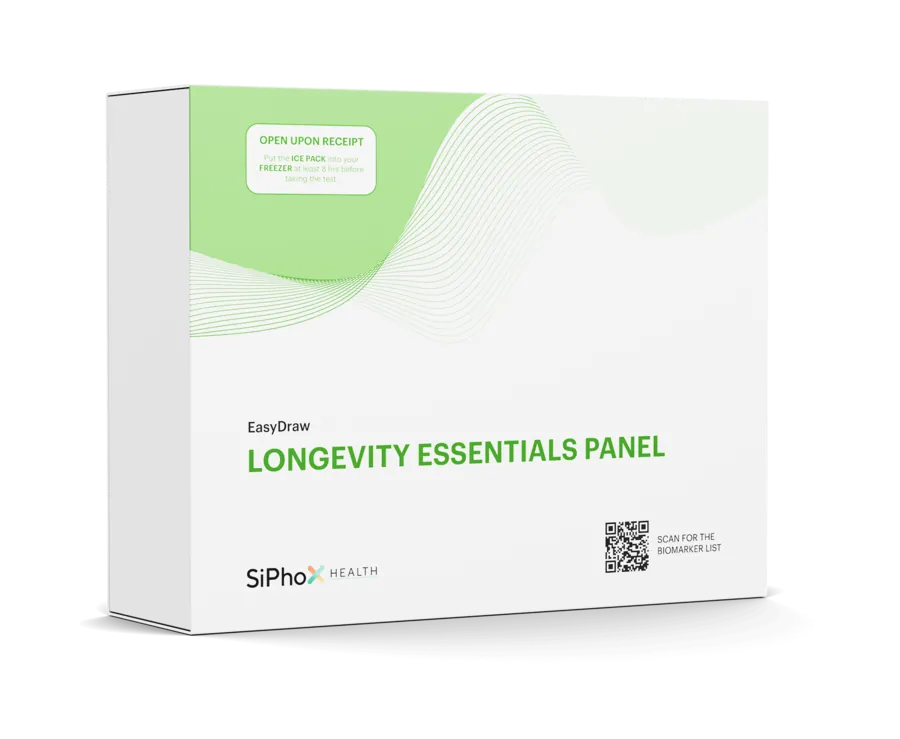
Longevity Essentials
The default panel: heart, metabolic, hormone and inflammation markers in one draw.
Check price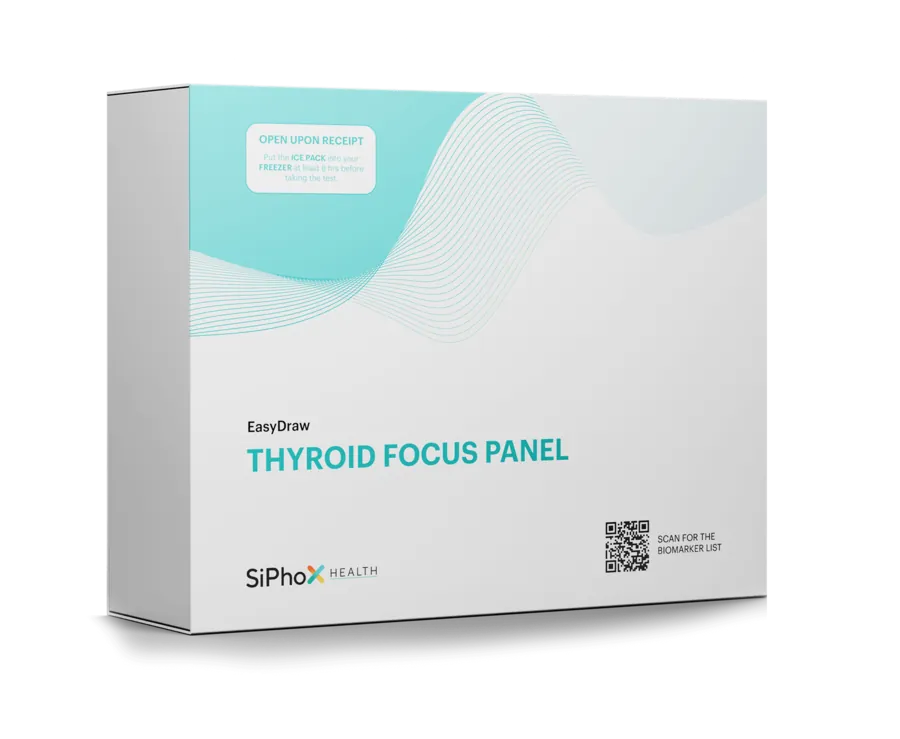
Thyroid Focus
A full thyroid workup including both thyroid antibodies, plus core lipids.
Check price
Frequently asked questions
What blood tests should athletes get?
Ferritin, iron studies and hemoglobin; vitamin D and B12; testosterone for men and estradiol with LH and FSH for women; free T3; hs-CRP; and liver and kidney markers. Track them against your own baseline.
What ferritin level is too low for an athlete?
Sports research uses under 35 ng/mL as the first stage of iron depletion and under 20 ng/mL with saturation under 16% as more advanced deficiency. A sports physician decides on treatment.
When should athletes get blood work?
On a rest or easy day, 24 to 48 hours after hard training, in the morning, well hydrated, at the same point in each training block.
Can blood tests detect overtraining?
Not on their own. Falling testosterone or T3, rising CRP and low ferritin can support the picture, but overtraining and REDs are clinical diagnoses based on performance, symptoms and history.
How often should athletes test ferritin?
Many test at the start of a training block and again 8 to 12 weeks later, more often while treating low iron. Ferritin should be tested rested, because inflammation raises it.
Sources
- Pedlar CR et al. Blood biomarker profiling and monitoring for high-performance physiology and nutrition. Sports Med 2019
- Sim M et al. Iron considerations for the athlete: a narrative review. Eur J Appl Physiol 2019
- Mountjoy M et al. 2023 IOC consensus statement on Relative Energy Deficiency in Sport (REDs). Br J Sports Med 2023
- Stellingwerff T et al. Development and validation of the IOC REDs Clinical Assessment Tool V.2 (REDs CAT2). Br J Sports Med 2023
- WHO: Guideline on haemoglobin cutoffs to define anaemia in individuals and populations (2024)
- Ross AC et al. The 2011 report on dietary reference intakes for calcium and vitamin D from the Institute of Medicine. J Clin Endocrinol Metab 2011
- MedlinePlus: Ferritin blood test
- MedlinePlus: Iron tests
- Kwo PY et al. ACG clinical guideline: evaluation of abnormal liver chemistries. Am J Gastroenterol 2017
- National Kidney Foundation: Estimated glomerular filtration rate (eGFR)
- MedlinePlus: Cortisol test
- FDA: Biotin interference with lab tests
- SiPhox Health: Ultimate 360 panel (checked 29 Sep 2026)
- SiPhox Health: Longevity Essentials panel and add-ons (checked 29 Sep 2026)
- SiPhox Health: Thyroid Focus panel (checked 29 Sep 2026)