Quick answer: the total protein normal range is 6.5 to 8.1 g/dL, or 65 to 81 g/L (MedlinePlus Medical Encyclopedia). Of that, albumin normally makes up 3.4 to 5.4 g/dL and the rest is globulin. High total protein can come from chronic inflammation, infection or, rarely, a blood cancer such as multiple myeloma; low total protein points to liver disease, kidney disease or poor nutrition.
Total protein normal range
MedlinePlus Medical Encyclopedia (total protein and albumin articles).
MedlinePlus notes that total protein may rise in pregnancy and that ranges vary slightly by lab. Other references print slightly wider ranges, so compare your result against the range on your own report.
What total protein measures
The test adds up the two main classes of protein in the fluid part of your blood (MedlinePlus). Albumin, made by the liver, keeps fluid inside blood vessels and carries substances around the body. Globulins are a mixed group that includes antibodies, an important part of the immune system, plus carrier and clotting proteins. Total protein is part of the comprehensive metabolic panel and often the liver function test.
What high total protein means
According to MedlinePlus, a higher-than-normal total protein may be due to:
- Chronic inflammation or infection, including HIV and hepatitis B or C
- Multiple myeloma, a cancer of antibody-making plasma cells
- Waldenström disease, a rare blood cancer
Most of these raise the globulin part, not albumin. Dehydration can nudge every protein up at once. A persistently high total protein, especially with a low A/G ratio, is worth a doctor's review; a doctor may order serum protein electrophoresis, which separates the globulins.
What low total protein means
MedlinePlus lists liver disease, kidney disease (including nephrotic syndrome and glomerulonephritis), malnutrition, malabsorption such as celiac or Crohn disease, protein-losing enteropathy, bleeding, extensive burns and agammaglobulinemia, a condition where the body makes too few antibodies. A low total protein usually travels with a low albumin, so read the two together.
Globulin and the A/G ratio
Few reports print globulin directly, but you can work it out: globulin = total protein minus albumin, and A/G ratio = albumin divided by globulin. MedlinePlus explains what shifts in the ratio can mean:
| A/G ratio | May be caused by (MedlinePlus) |
|---|---|
| Low | An autoimmune disease such as lupus, liver disease including cirrhosis, kidney disease |
| High | Certain genetic disorders, leukemia |
Your lab prints its own A/G range. Using the MedlinePlus midpoints (total protein 7.3, albumin 4.4), a typical globulin is about 2.9 g/dL and a typical ratio about 1.5.
Worked example
Two people have the same normal total protein of 7.6 g/dL. Person A has albumin 4.6 g/dL: globulin is 7.6 minus 4.6 = 3.0 g/dL and the A/G ratio is 1.53. Person B has albumin 3.5 g/dL: globulin is 4.1 g/dL and the ratio is 0.85. B's total looks fine, but the low-normal albumin and high globulin shift the balance, a pattern MedlinePlus links with autoimmune, liver and kidney disease. B should show the report to a doctor, who may order protein electrophoresis. Neither case can be judged from total protein alone, which is why a panel that reports both numbers is more useful.
| If you want | Test | Where |
|---|---|---|
| Total protein alone, with liver and kidney markers | Total protein, ALT, AST, ALP, bilirubin, BUN, creatinine | SiPhox Heart & Metabolic |
| Total protein and albumin together (for the A/G ratio) | Total protein, albumin | SiPhox GLP Optimization or Ultimate 360 |
| To separate the globulins | Serum protein electrophoresis | Your doctor |
| To check for protein in urine | Urine albumin-to-creatinine ratio | Your doctor |
Which SiPhox panels report which protein numbers
Because the A/G ratio needs both numbers from one sample, it helps to know exactly what each panel reports:
| SiPhox panel | Total protein | Albumin | Can you calculate globulin and A/G? |
|---|---|---|---|
| Heart & Metabolic | Yes | No | No |
| Hormone Focus | No | Yes | No |
| GLP Optimization | Yes | Yes | Yes |
| Ultimate 360 | Yes | Yes | Yes |
| Longevity Essentials, Thyroid Focus | No | No (see albumin page note) | No |
A few preparation points apply to both markers. Eat and drink normally the day before, since a fast of 24 to 48 hours lowers albumin and dehydration raises all proteins (MedlinePlus). Mention pregnancy, which can raise total protein measurements. And compare results from the same lab, because each lab prints slightly different ranges for total protein and the A/G ratio.
At-home tests that include total protein
Total protein is on three SiPhox panels: Heart & Metabolic, Ultimate 360 and GLP Optimization. Only GLP Optimization and Ultimate 360 also include albumin, so they are the SiPhox panels that let you calculate globulin and the A/G ratio from one draw; Heart & Metabolic gives total protein without albumin.
| SiPhox panel | Biomarkers per test | Per test, with shipping | Listed as |
|---|---|---|---|
| Heart & Metabolic | 28 | $149 | Total protein (Nutrition) |
| Ultimate 360 | 62 | $274 | Total protein (Nutrition) |
| GLP Optimization | 46 | $224 | Total protein (Metabolic) |
SiPhox is a wellness service with no doctor review included, so take an abnormal result or a low A/G ratio to your doctor. See our SiPhox review and GLP-1 blood test guide.
A note on home samples: SiPhox's partner lab tests capillary blood collected from the upper arm. SiPhox says its results show a 95% to 99% correlation with venous draws in its own quarterly comparisons against Labcorp and Quest, but it has not published a study of the EasyDraw device. If a result would change a treatment decision, confirm it with a venous test through your doctor.
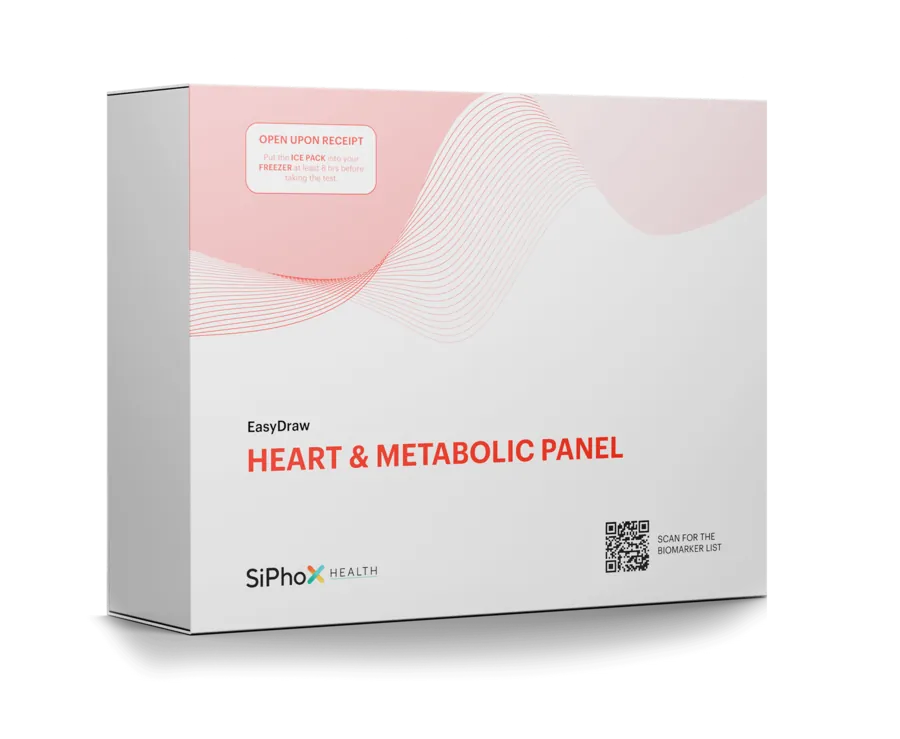
Heart & Metabolic
Lipids plus kidney and liver function: the panel for cardiovascular and metabolic risk.
Check price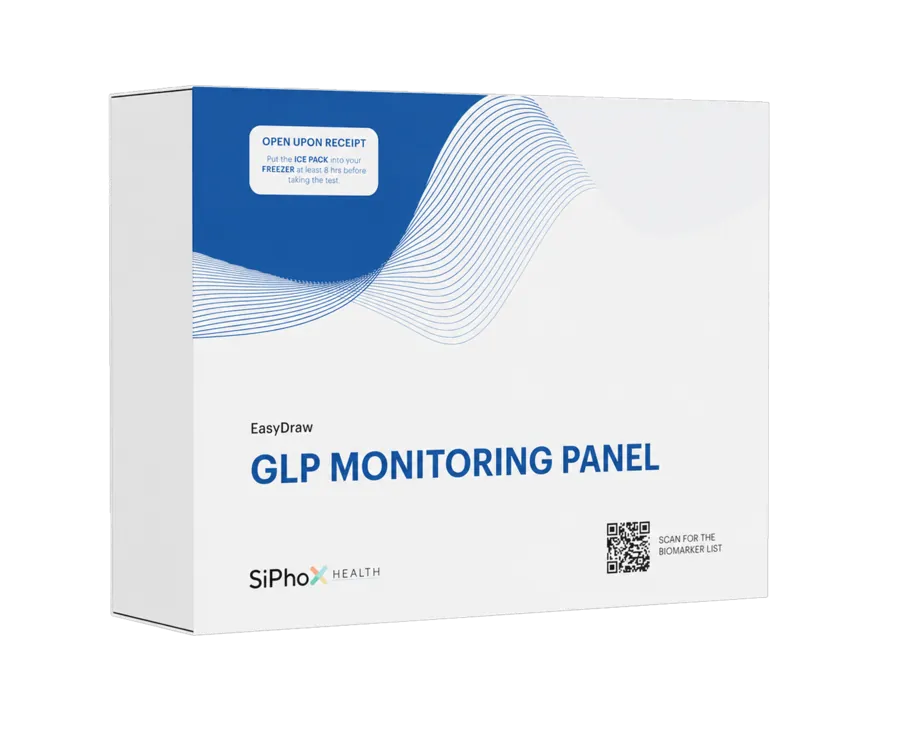
GLP Optimization
Built for people on GLP-1 medication: metabolic, liver, kidney, nutrient and iron markers.
Check price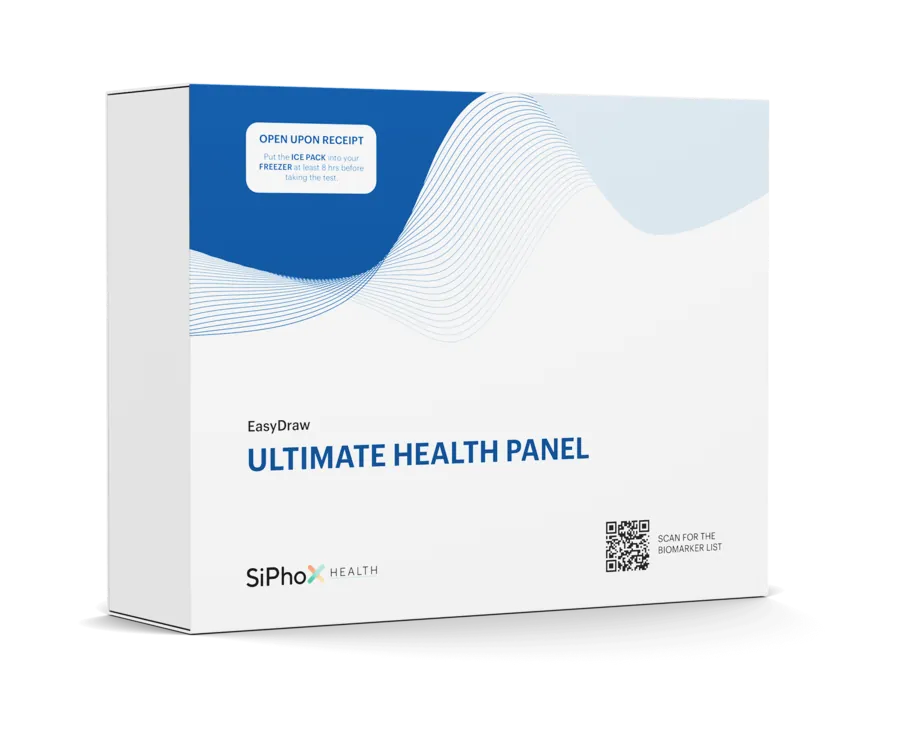
Ultimate 360
Everything on the four core panels plus iron studies, B12 and folate, GGT and PSA.
Check price
Frequently asked questions
What is a normal total protein level?
6.5 to 8.1 g/dL (65 to 81 g/L), according to MedlinePlus. Labs vary slightly.
What does high total protein mean?
Often chronic inflammation or infection such as hepatitis B or C or HIV. Rarely, multiple myeloma. Dehydration can also raise it. A doctor may order protein electrophoresis.
What does low total protein mean?
Liver disease, kidney disease, malnutrition or malabsorption are the usual causes. It usually comes with a low albumin.
How is globulin calculated?
Globulin equals total protein minus albumin. The A/G ratio is albumin divided by globulin.
Can I test total protein at home?
Yes. SiPhox includes it on Heart & Metabolic, GLP Optimization and Ultimate 360.
Sources
- MedlinePlus Medical Encyclopedia: Total protein
- MedlinePlus Lab Tests: Total protein and albumin/globulin (A/G) ratio
- MedlinePlus Medical Encyclopedia: Albumin, blood (serum) test
- SiPhox Health: panel comparison (checked 29 Sep 2026)
- SiPhox Health: Heart & Metabolic panel
- SiPhox Health: GLP Optimization panel
- SiPhox Health: Ultimate 360 panel